
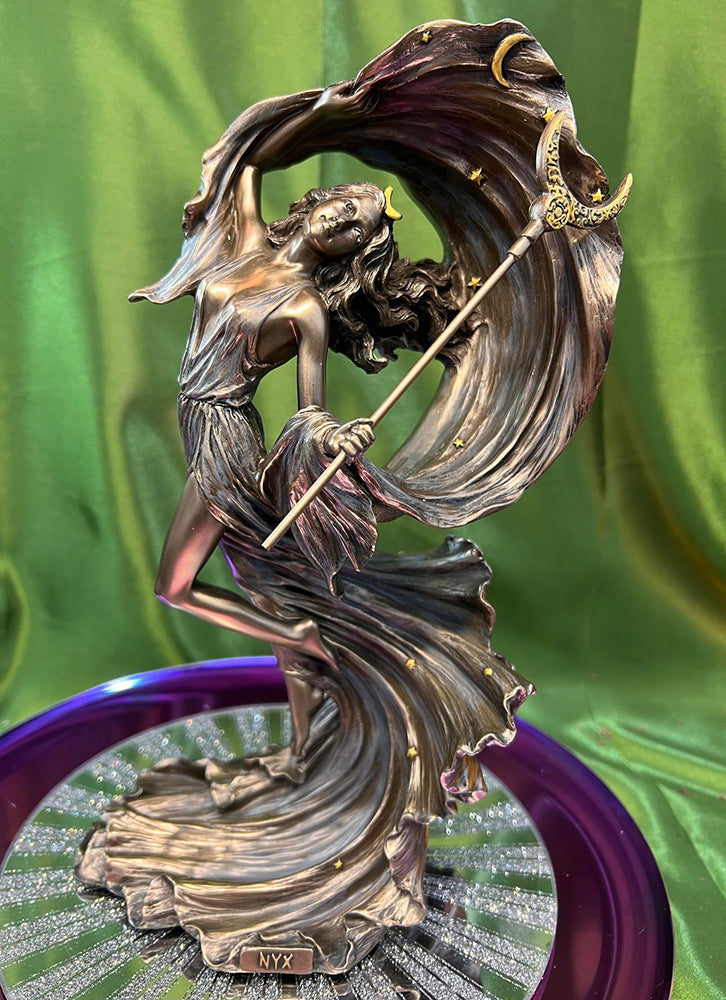
Nyx, also spelled Nux (Νύξ), is one of the most powerful and oldest deities in Greek mythology. She is not merely a goddess of the night — she is the night itself. A primordial force born directly from Chaos, Nyx predates both the Olympians and the Titans. Her essence stretches far beyond stars and darkness; she represents a cosmic threshold between life and death, light and shadow, known and unknown.
She is the divine origin of many vital aspects of existence sleep, death, dreams, destiny, and emotional states. Her legacy is found throughout Greek literature and cult worship, and her domain touches magic, astrology, necromancy, prophecy, and protection.
To study Nyx is to engage with one of the oldest and most enduring spiritual archetypes known to humanity: the sacred night.
🔹 Origin and Cosmology
Nyx was born from Chaos, the original void , a boundless expanse that existed before the formation of the Earth, Sky, or Sea.
She is one of the Protogenoi, the first beings to emerge at creation.
Two major sources detail her origin:
-
Hesiod’s Theogony: Nyx and her consort Erebus (Darkness) produce Aether (Upper Air) and Hemera (Day). Every night, Nyx rises from her home in Tartarus, veiling the world in darkness, while Hemera emerges at dawn to sweep it away. The two never meet — a poetic personification of the night-day cycle.
-
The Orphic Tradition: In this alternate cosmogony, Nyx lays a cosmic egg in the depths of Erebus. From it hatches Eros, the primordial force of love and procreation. The egg’s shell becomes Heaven and Earth. This version places Nyx at the origin of everything even time, form, and love.
🔹 Representation visual
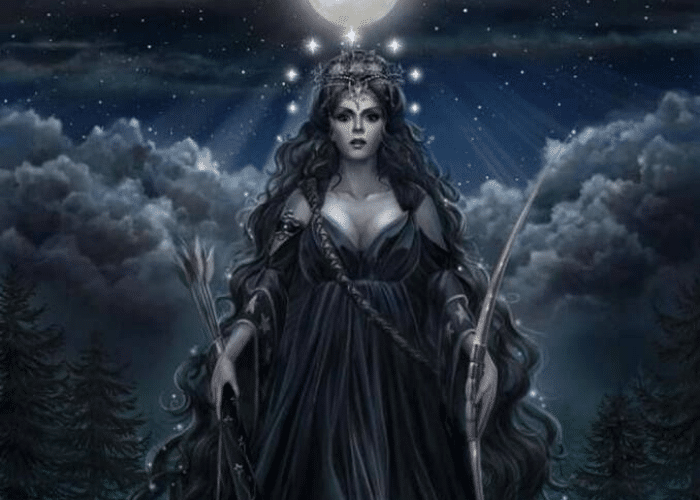
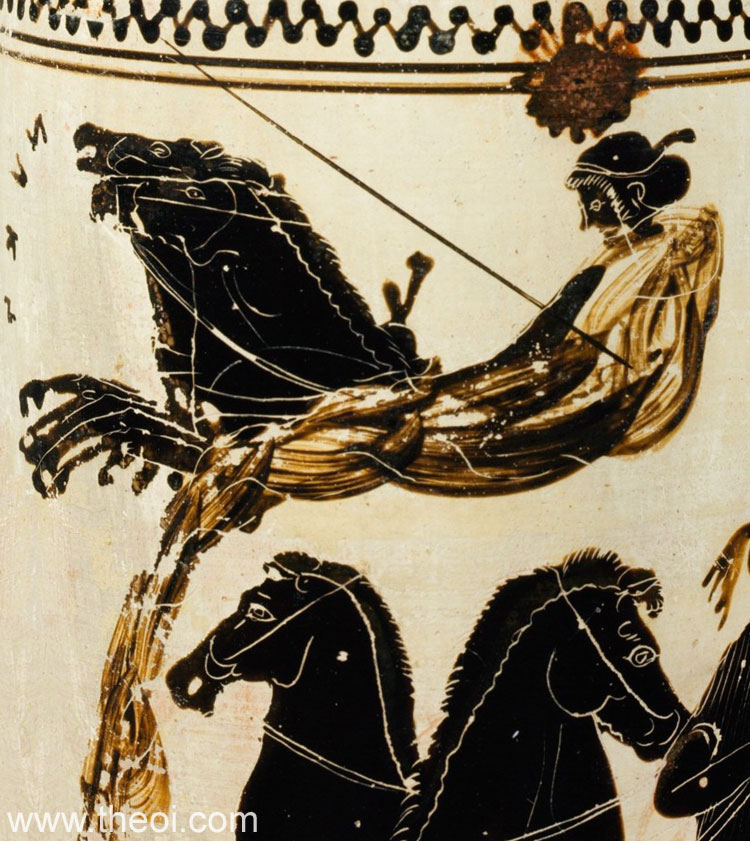
Nyx is often depicted as a veiled woman dressed in shadow, with stars embroidered into her robe. In art, she can appear with wings and is sometimes shown riding a chariot pulled by black horses. She is not merely symbolic — she is described as terrifying even to Zeus, who once backed down from conflict because Hypnos, her son, fled into her domain.
This fear was not because Nyx was evil, but because she embodied cosmic forces beyond even the Olympians' control. She represents the unknown, the unseeable, and the mysteries that lie in the dark.
Now that we’ve met the goddess herself, it’s time to explore her divine legacy. In the next post, we’ll trace the full lineage of Nyx’s children — from sleep and death to deception, fate, and beyond. Each one is a mirror of her power. Get ready to meet the spirits that shape our world.
— Aletheia, from The Witchy Bitch